 Swift Roofing


Storm damage and roof insurance claims
Insurers cover roof damage from a specific, sudden event, a storm, a falling branch, but not a roof that's simply reached the end of its life. Knowing which category your damage falls into decides whether a claim succeeds.
After a bad storm, it's natural to assume any roof problem discovered straight afterwards must be storm damage and therefore covered by insurance. Insurers look at it more carefully than that, and understanding how they draw the line before you file a roof insurance claim saves a lot of frustration.
What to do first
- Photograph everything before anything is touched. Wide shots showing the damage in context, and close shots of the specific damage itself, both from the ground and, once it's safe, from a proper inspection
- Make the property safe. If there's a hole letting water in, or debris that could fall, get it made safe. Insurers expect reasonable steps to prevent further damage, this doesn't mean a full repair before they've assessed it, just stopping the problem getting worse
- Get a written report from a roofer. A proper written assessment, with photographs, describing what's damaged and how it likely happened, is far stronger evidence than a verbal description when you call your insurer
- Contact your insurer promptly. Most policies expect damage to be reported within a reasonable time of discovery, not weeks later
What insurers usually want to see
- Clear photographs of the damage, ideally from before any repair work started
- A written report describing the damage and its likely cause
- Confirmation of when the damage was discovered, ideally tied to a specific storm or weather event
- In some cases, evidence the roof was in reasonable condition beforehand, which is harder to provide if there's no record of previous maintenance
Storm damage versus gradual wear and tear
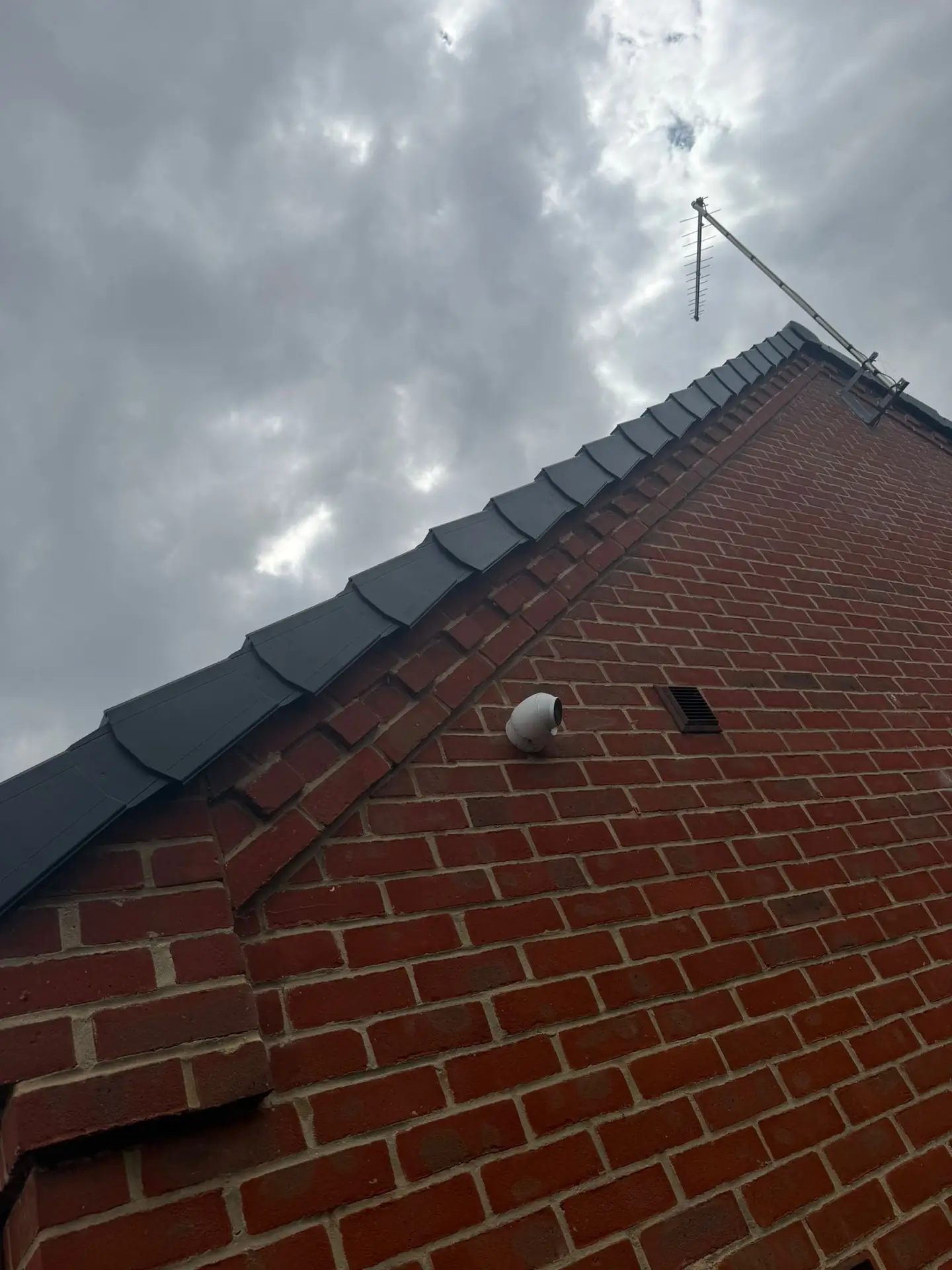
This is the distinction that decides most claims. Storm damage is sudden and traceable to a specific event, tiles ripped off in high winds, a chimney pot dislodged, a branch coming down on the roof during a named storm. Gradual wear and tear is a roof covering, flashing or fixing simply reaching the end of its working life over years, which is a maintenance issue rather than an insurable event, even if the failure happens to become obvious shortly after a storm.
An insurer assessing a claim will often ask whether the damaged area shows signs of long-term deterioration, corroded fixings, perished felt, ageing flashing, rather than a clean break consistent with a single violent event. Damage that looks like the last straw on something already failing is the most common reason a claim gets refused.
Why "wear and tear" is the usual reason a claim gets refused
Insurance is designed to cover the unexpected, not the inevitable. A roof covering has a known working life, felt lasts 20 to 25 years, concrete tile 40 to 60, and so on. A roof failing at or beyond that age, in a way consistent with normal ageing rather than a specific violent event, is treated as a maintenance issue the homeowner is expected to have planned for, not a sudden loss.
Does house insurance cover roof leaks in the UK?
Where the leak was caused by storm damage or another sudden, specific event, generally yes, depending on your policy's own terms. Where the leak developed gradually as flashing, felt or fixings aged and failed, insurers usually treat it as wear and tear and decline the claim. See our signs of a roof leak guide for how to spot which you're dealing with.
Is a flat roof leak covered by my home insurance?
The same principle applies. A flat roof torn or punctured by storm debris is a matter for your insurer. A felt or EPDM covering that's simply worn out and started to fail with age isn't, regardless of how dramatic the resulting leak looks.
Can you claim for a new roof on your house insurance?
Only where the damage justifying a full replacement was caused by a specific, sudden event covered by your policy, rather than the roof reaching the end of its natural lifespan. A roof that's simply old, even if badly so, isn't itself an insurable event. Our new roof cost guide covers pricing for a replacement paid for directly rather than through insurance.
Should I get the roof fixed before or after the insurer inspects it?
Make it safe immediately if there's an active risk, water coming in or debris that could fall, but avoid a full repair before the insurer has had the chance to see the damage or review your photographs and written report. Repairing it fully first can leave you with nothing for the insurer to actually assess.
Timeframes for reporting damage
Most policies expect storm or accidental damage to be reported within a reasonable period of it being discovered, not weeks or months after the fact. If a roof is damaged during a storm but the damage isn't spotted until much later, that gap can itself become a point insurers question, so it's worth checking the roof, or having it checked, after any severe weather rather than waiting until a leak forces the issue.
Getting quotes while a claim is in progress
It's reasonable to get a repair quote while a claim is being assessed, and having one ready can actually help move things along, since it gives the insurer a concrete figure and scope of work to consider. Just hold off on carrying out the repair itself until the insurer has confirmed how they want to proceed, particularly if there's any chance they'll want to send their own assessor first.
How Swift Roofing helps with a claim
Our storm damage service includes a proper inspection with photographs and a written report describing exactly what's happened and why, which you can pass straight to your insurer. We cover Wisbech, King's Lynn, Peterborough and Norwich, with same-day callout, 8am to 6pm, seven days, to make a damaged roof safe as quickly as possible.
Want the number for your own roof?
Every roof is different and a guide can only take you so far. A free inspection worth £199 gets you photographs of what is actually up there and a written fixed price, with no pressure to book.
Free roof inspection worth £199
Photographs of what we find, a written fixed price, and no pressure to book.
Straight answers before you book
Can you claim for a new roof on your house insurance?
Only if the need for a replacement was caused by a specific, sudden event your policy covers, such as storm damage, rather than the roof simply reaching the end of its natural lifespan through age.
Does house insurance cover roof leaks in the UK?
Generally yes for leaks caused by a sudden event like storm damage, depending on your policy terms. Leaks caused by gradual ageing of flashing, felt or fixings are usually treated as wear and tear and declined.
Is a flat roof leak covered by my home insurance?
Storm-caused damage to a flat roof is usually covered. A flat roof covering that's simply worn out with age and started to fail isn't, in the same way pitched roof wear and tear isn't.
What's the difference between storm damage and wear and tear?
Storm damage is sudden and traceable to a specific event. Wear and tear is a roof covering, flashing or fixing gradually reaching the end of its working life over years. Insurers cover the former and generally decline the latter.
What do insurers usually want to see for a roof claim?
Clear photographs of the damage, a written report from a roofer describing what happened and why, and confirmation of when it was discovered, ideally tied to a specific storm or weather event.
Should I get the roof fixed before or after the insurer inspects it?
Make it safe if there's an active risk, but hold off on a full repair until the insurer has seen the evidence, photographs and a written report, or you could be left with nothing for them to assess.
Get a report your insurer can use
Storm damage inspection with photographs and a written report, same-day callout to make it safe. Covering Wisbech, King's Lynn, Peterborough and Norwich. Call 01945 897430 or 01603 851759.
No obligation. No hard sell. We price from a proper inspection, never a guess over the phone.