 Swift Roofing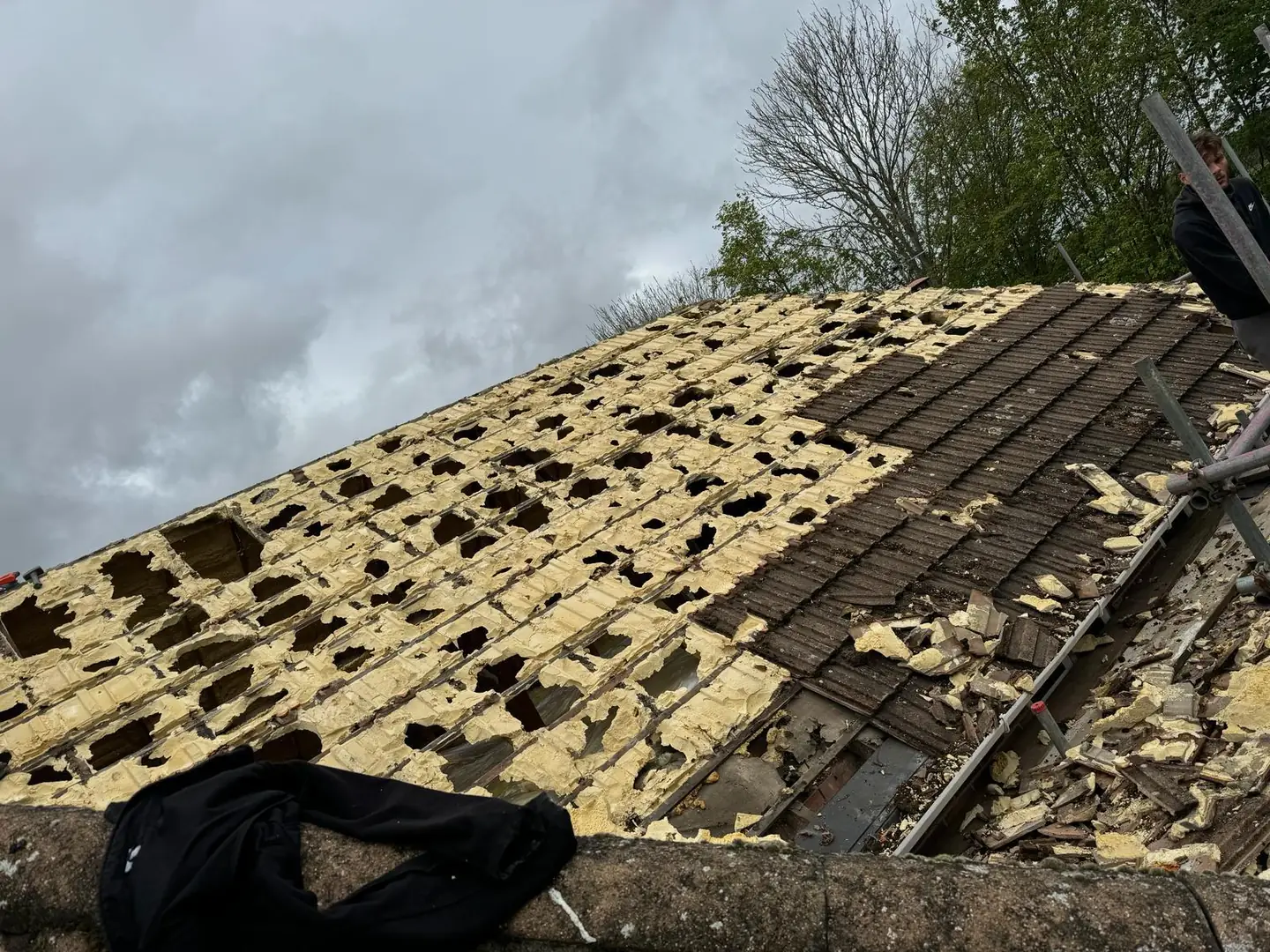


Spray foam insulation removal cost
Spray foam insulation in a loft is now a common reason mortgage lenders refuse or downvalue a property. Removal cost depends on the loft size, the foam type, and how much timber and membrane it has affected underneath.
Spray foam was sold heavily through the 2010s as a modern, effective way to insulate a loft. It's now one of the most common issues surveyors flag, and a growing number of lenders either refuse to mortgage a property with it in the loft or insist on removal before lending. If you're selling, remortgaging, or just noticed foam in your loft during other roof work, it's worth understanding why it's become a problem and what removal actually involves.
Why mortgage lenders reject spray foam
Foam sprayed directly onto the underside of roof timbers and the felt or membrane above them creates two problems that don't show up until much later. First, it seals the timber so closely that any moisture already present, or that gets in afterwards, has nowhere to evaporate to, which lets rot develop against the timber unseen. Second, it stops the roof space breathing the way it's designed to, trapping condensation that would otherwise ventilate away. Because a surveyor can't inspect the timber or the felt underneath a layer of foam, and because the roof structure's true condition is essentially hidden, many lenders treat spray foam as an unacceptable risk and downvalue or decline the property until it's removed and the roof can actually be inspected.
Open cell versus closed cell
Open cell foam is softer, lighter, and more permeable to moisture, which makes it somewhat easier to remove and less likely to trap water against timber than closed cell. Closed cell foam is denser, forms a harder seal, and bonds much more firmly to the timber and the roofing felt above it, which is why it's generally the more difficult and more expensive of the two to remove cleanly. Both types cause the same underlying problem, hiding the roof structure and stopping ventilation, but closed cell tends to cause the bigger headache when it comes time to take it out.
What removal actually involves
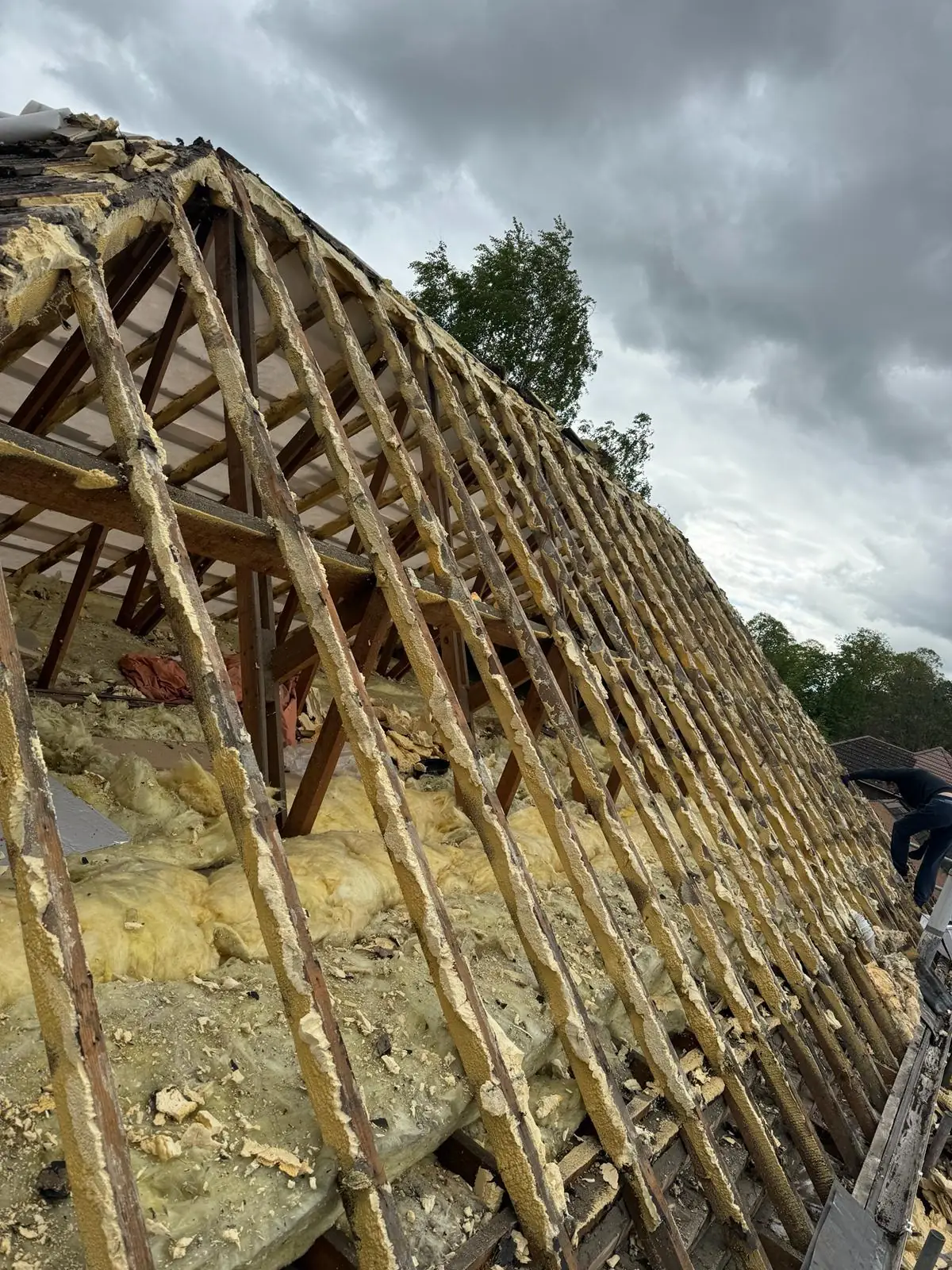
Removing spray foam is slow, careful work, not a quick strip-out. Foam has to be cut and peeled away from every rafter and section of felt it's bonded to, by hand, without damaging the timber underneath more than necessary. Once it's off, the real condition of the roof structure becomes visible for the first time, and that's often where the bigger cost sits, not in the foam removal itself but in what's found once it's gone.
Because foam hides the timber and felt underneath it, nobody can honestly quote a firm price for spray foam removal without seeing what condition the roof is in once the foam starts coming off. Any fixed all-in price given before an inspection should be treated with real caution.
What usually has to happen afterwards
- New roofing membrane, since the original felt is almost always damaged or degraded once the foam bonded to it is removed
- New battens, where the old ones have been affected by trapped moisture or damaged during foam removal
- Timber repairs or replacement, where rafters have rotted under the sealed foam layer
- Restoring proper loft ventilation, so the roof space can breathe correctly going forward
This is why spray foam removal is rarely a standalone, fixed-price job. The foam coming off is stage one. What it's been hiding is stage two, and that only becomes clear once stage one is done. We don't quote a removal price without seeing the loft first, because doing so honestly just isn't possible. Two lofts with the same square footage of foam can need completely different amounts of follow-on work, depending on how long the foam has been up there and how well the roof was ventilated before it went in.
How long removal takes
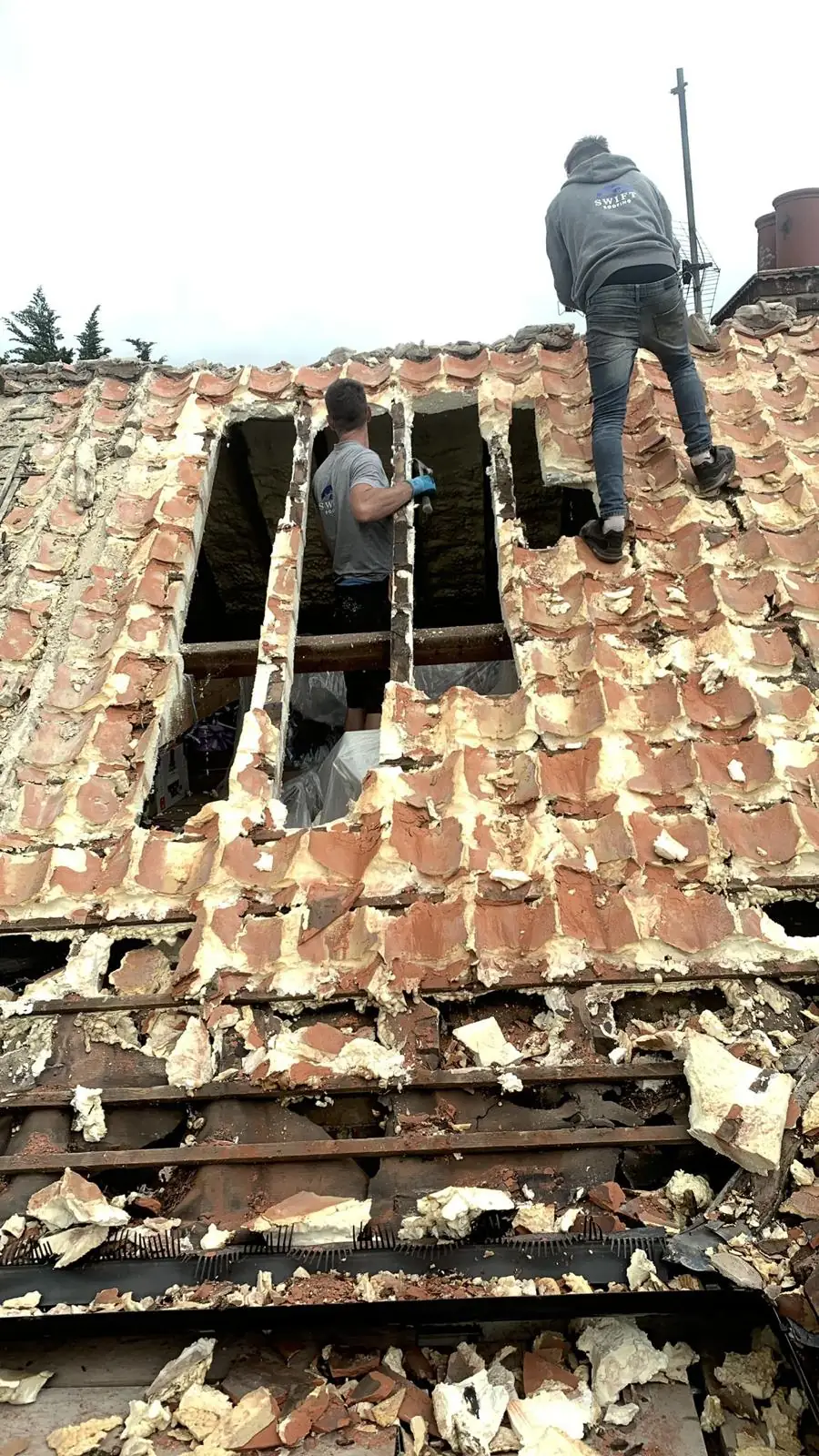
A single loft can take more than a day to clear properly, since foam has to be cut and peeled away by hand from every rafter and section of felt it's bonded to without tearing more timber or membrane than necessary. Closed cell foam, being denser and more firmly bonded, generally takes longer to remove than open cell. Once the foam is off, any timber repair, new membrane and new battens needed add further time on top of the removal itself.
Getting a mortgage-ready report
If removal is being done to satisfy a mortgage lender or ahead of a sale, it's worth getting a written report covering what type of foam was found, what condition the timbers and felt were in once it was removed, and what work was carried out to put the roof right afterwards. That report gives a surveyor or lender something concrete to review, rather than just a verbal assurance that the problem's been dealt with.
Signs you might have a spray foam problem
- A mortgage valuation or survey flags spray foam insulation in the roof space
- You can see foam sprayed directly onto the underside of the roof from inside the loft
- A previous owner or estate agent mentioned "insulation upgrade work" without detail
- Unexplained damp smells or condensation in a loft that's been foam-insulated
How Swift Roofing approaches it
Our spray foam removal service starts with a proper look at the loft, checking the foam type, how firmly it's bonded, and what condition the timbers and felt are in underneath. From there we can give you an honest picture of what the job actually involves, rather than a number that ignores what's really under the foam. If a full re-roof turns out to be the more sensible route once the extent of the timber damage is clear, our new roof cost guide covers that separately. We work across Wisbech, King's Lynn, Peterborough and Norwich.
Want the number for your own roof?
Every roof is different and a guide can only take you so far. A free inspection worth £199 gets you photographs of what is actually up there and a written fixed price, with no pressure to book.
Free roof inspection worth £199
Photographs of what we find, a written fixed price, and no pressure to book.
Straight answers before you book
Why are people removing spray foam insulation?
Mostly because mortgage lenders and surveyors have started refusing or downvaluing properties where it's present in the loft. It seals the roof timbers and felt so a surveyor can't inspect their condition, and it stops the roof space ventilating properly, both of which let rot and damp develop unseen.
How much does it cost to have spray foam insulation removed?
It depends on the loft size, whether the foam is open cell or closed cell, and, most of all, what condition the timber and membrane underneath turn out to be in once the foam comes off. We look at the loft first rather than quoting a figure that ignores what might be hiding underneath.
What's the difference between open cell and closed cell spray foam?
Open cell foam is softer and more permeable to moisture, generally easier to remove. Closed cell foam is denser, bonds more firmly to timber and felt, and forms a harder seal, which usually makes it more difficult and time-consuming to remove cleanly.
Will a mortgage lender refuse a house with spray foam in the loft?
Many now do, or will lend only on condition the foam is removed and the roof structure inspected properly first. It's become a common reason for a valuation to come back lower than expected or for a mortgage offer to be delayed.
What has to happen to the roof after the foam comes out?
Almost always new roofing membrane, since the original felt is rarely intact once foam bonded to it is removed, and often new battens and some timber repair where rot has developed under the sealed layer.
Get your loft properly assessed
We check the foam type and what's underneath before pricing anything. Serving Wisbech, King's Lynn, Peterborough and Norwich. Call 01945 897430 or 01603 851759, 8am to 6pm, seven days.
No obligation. No hard sell. We price from a proper inspection, never a guess over the phone.