 Swift Roofing


Slate roof lifespan, and what shortens it
Natural slate lasts 80 to 100 years, longer than almost any other common roofing material, which is why so many original Victorian and Edwardian slate roofs are still in place today.
Slate is one of the most durable roofing materials available, and the lifespan it's known for isn't marketing, it's simply how long slate roofs from a century ago are still doing their job on houses across the country. That longevity comes with trade-offs worth understanding before assuming a slate roof needs replacing just because it's old.
How many years should a slate roof last?
80 to 100 years under normal conditions is the typical figure, and well-maintained slate roofs can go beyond that. This compares to 40 to 60 years for concrete tile and 60 years plus for clay pantile, see our new roof cost guide for the full comparison of material lifespans. The slate itself is a naturally very durable stone, and in most cases it's not the slate that eventually fails first.
What is a major disadvantage of a slate roof?
The fixings, not the slate. Slates are held on with nails, and over many decades those nails corrode. Once a fixing nail fails, the slate above it can slip or come loose entirely, even though the slate itself is still perfectly sound. This is known in the trade as "nail sickness," and it's the main reason older slate roofs eventually need attention, not because the slate has worn out. The other real disadvantage is cost. Slate costs more to buy than concrete tile, and because each slate is fixed and handled individually rather than laid in large sheets, it takes longer to install, which adds to the labour cost of both new roofs and repairs.
How do I know if my slate roof needs replacing?
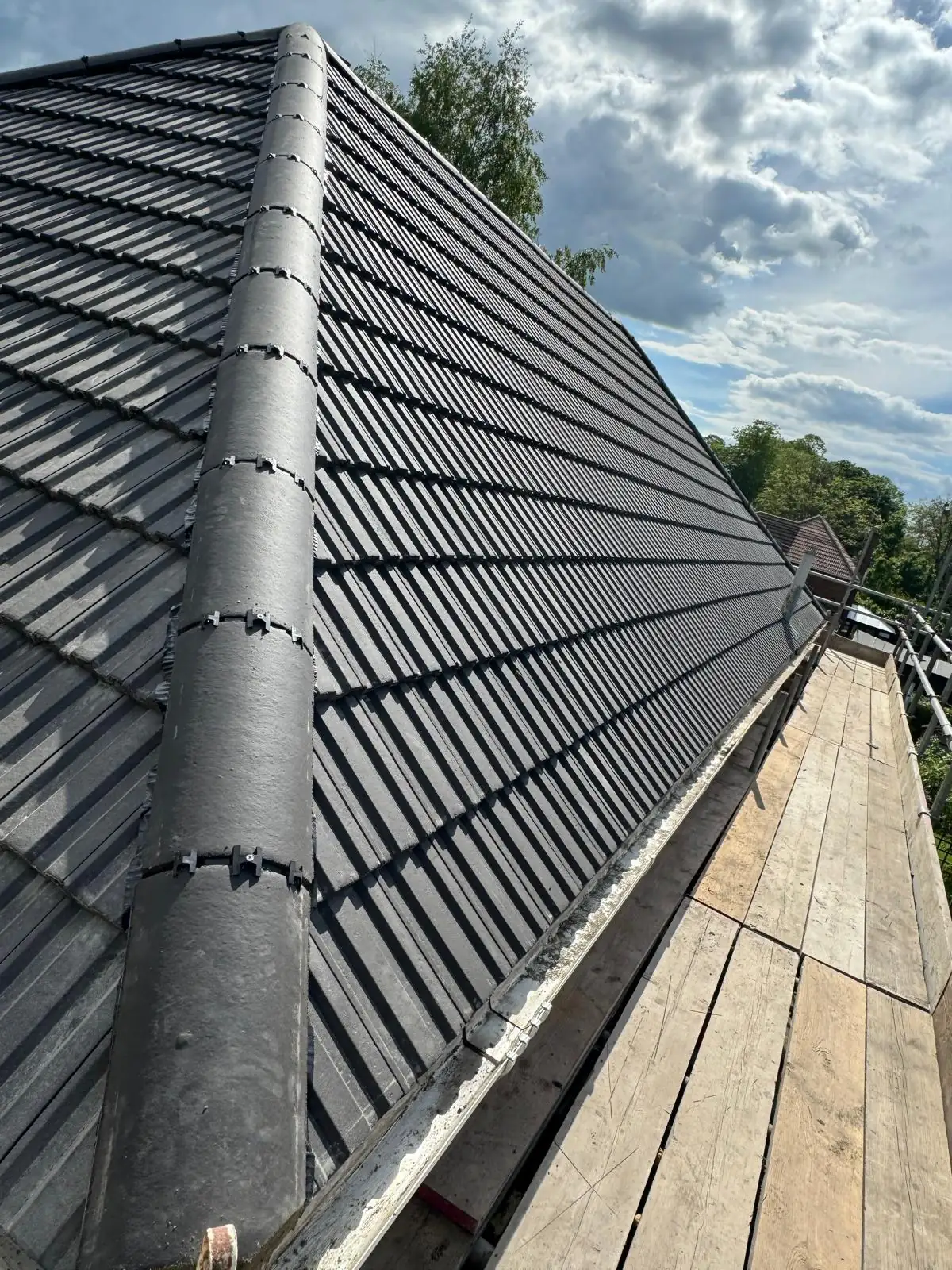
Not every issue on an old slate roof means the whole roof needs replacing.
- Individual slipped or missing slates, especially scattered across the roof, usually points to nail sickness rather than a problem with the slate itself, and is repairable. See our missing or slipped tiles guide
- Widespread slippage across most of the roof, rather than a handful of isolated slates, suggests the fixings generally are reaching the end of their life, and a full re-roof, reusing any slates still in sound condition, becomes the more practical option
- Cracked or delaminating slates, where the stone itself is genuinely failing rather than just its fixing, are less common but do occur, particularly with some lower quality slate used in past decades
- Sagging beneath the slate covering points to a timber problem rather than the slate
Can individual slipped slates be repaired without replacing the roof?
Yes, in most cases. A slipped slate caused by nail sickness can be re-fixed or replaced individually, and Swift Roofing carries and can source matching slate to keep an older roof's appearance consistent. It's only when slippage is widespread across the whole roof that individual repairs stop being cost effective compared to a fuller re-roof.
Is natural slate more expensive to repair than concrete tile?
Generally yes, for two reasons. Matching slate has to be sourced in the right size, thickness and colour to sit properly alongside the existing roof, which takes more care than picking a standard concrete tile off a pallet, and each slate is fixed individually with more careful handling than tiles laid in a repeating pattern. It's a fair trade-off against a lifespan that's roughly double that of concrete tile.
Maintaining a slate roof
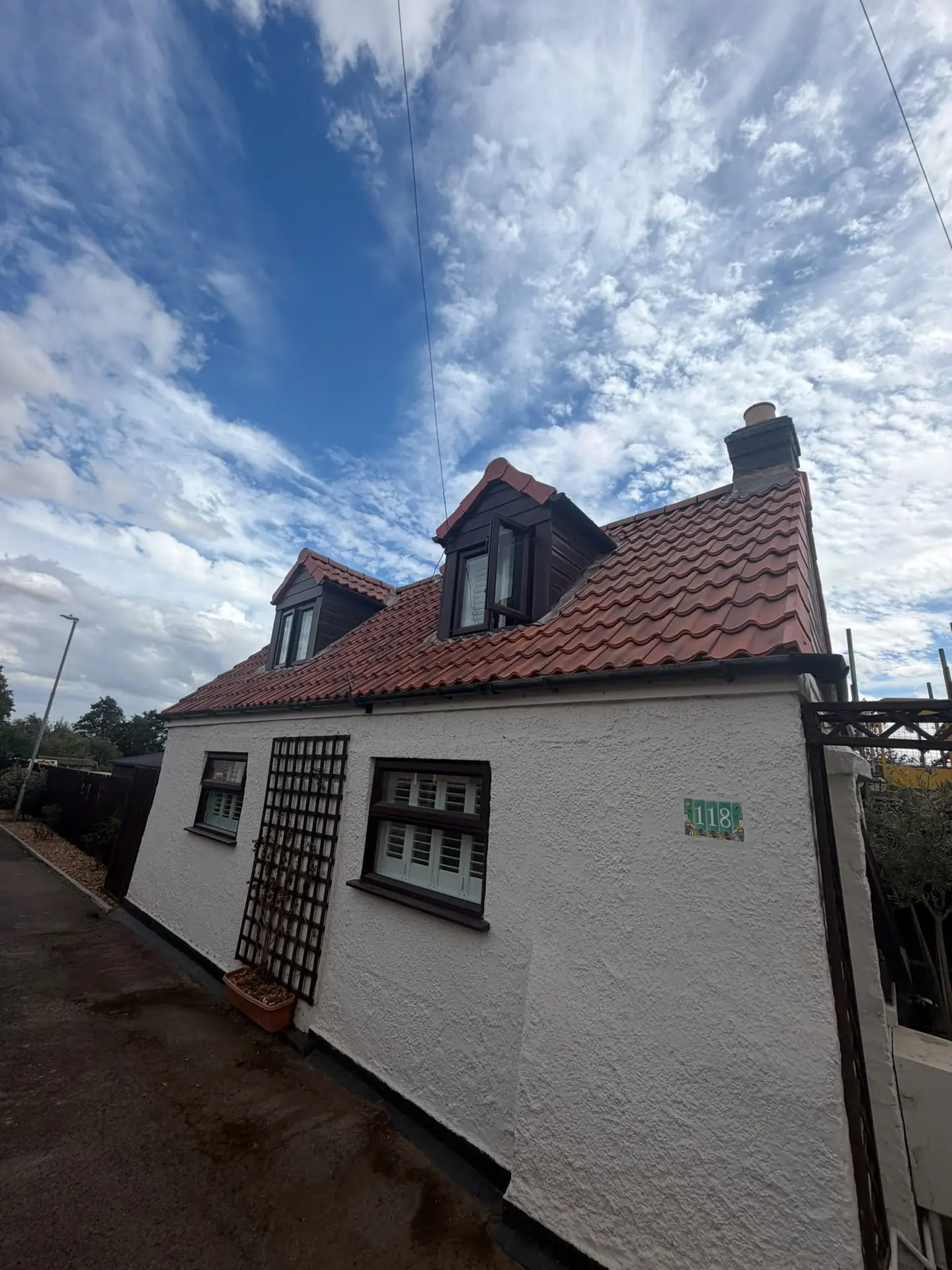
Slate roofs benefit from periodic checks, particularly on older properties where nail sickness is progressing but not yet obvious from the ground. Catching a handful of slipped slates and re-fixing them promptly is far cheaper than waiting until enough have gone that water has started getting into the timbers beneath. Keeping valleys and gutters clear also matters more on a slate roof than some others, since debris held against slate edges can accelerate the wear on individual pieces.
Working on slate roofs
Slate needs different handling to concrete or clay tile, both to avoid damaging sound slates during other work and because matching an existing roof's appearance takes a trained eye for size and colour. Our slate and tiled roofing service covers repairs, re-fixing and full re-roofs on slate specifically, and every job carries our 10 year written workmanship guarantee. We cover Wisbech, King's Lynn, Peterborough and Norwich, many of which have a good number of original slate roofs still in place.
Want the number for your own roof?
Every roof is different and a guide can only take you so far. A free inspection worth £199 gets you photographs of what is actually up there and a written fixed price, with no pressure to book.
Free roof inspection worth £199
Photographs of what we find, a written fixed price, and no pressure to book.
Straight answers before you book
How many years should a slate roof last?
Typically 80 to 100 years, which is longer than concrete tile, clay pantile or any common flat roofing material, and one of the reasons so many original slate roofs from a century ago are still in service.
What is a major disadvantage of a slate roof?
The fixing nails corrode over decades before the slate itself wears out, a problem known as nail sickness, which causes individual slates to slip loose even though they're still perfectly sound. Slate also costs more to buy and takes longer to install than concrete tile.
How do I know if my slate roof needs replacing?
A handful of scattered slipped or missing slates usually means nail sickness and is repairable. Widespread slippage across most of the roof suggests the fixings generally have reached the end of their life, which points toward a fuller re-roof.
Is natural slate more expensive to repair than concrete tile?
Generally yes, since matching slate has to be sourced correctly and each piece is fixed and handled individually, but that cost sits against a lifespan roughly double that of concrete tile.
Can individual slipped slates be repaired without replacing the roof?
In most cases, yes. Isolated slipped slates from nail sickness can be re-fixed or replaced one at a time. It's only when slippage is widespread that a full re-roof becomes the more practical route.
Keep an old slate roof going
We carry matching slate for repairs and re-fixing, and offer a free inspection worth £199 to check how far nail sickness has progressed. Call 01945 897430 or 01603 851759.
No obligation. No hard sell. We price from a proper inspection, never a guess over the phone.